Energy Revolution in Agriculture
Contemporary agriculture faces existential challenges requiring transformative approaches beyond incremental improvements. Climate instability disrupts traditional growing seasons while extreme weather events destroy crops and infrastructure with increasing frequency. Energy costs represent substantial operational expenses particularly for controlled environment agriculture requiring year-round climate regulation. Water scarcity threatens productive capacity across expanding geographic regions. Chemical dependency degrades soil health while raising environmental and health concerns. These converging pressures demand fundamental rethinking of agricultural methodologies rather than perpetuating resource-intensive conventional practices proving increasingly unsustainable economically and environmentally. Solar agriculture emerges as comprehensive solution addressing multiple challenges simultaneously through renewable energy integration reducing fossil fuel dependency while enabling precise environmental control supporting optimal plant development regardless of external conditions.
Photovoltaic greenhouse systems exemplify this agricultural transformation by incorporating solar panels directly into growing structure designs. Advanced semi-transparent solar technologies allow sufficient light transmission for photosynthesis while generating electricity powering climate systems, LED supplemental lighting, automated irrigation, and monitoring equipment. Strategic panel placement maximizes energy capture without compromising plant light requirements through careful orientation, spacing, and selection of appropriate photovoltaic materials matching specific crop needs. Excess electricity production feeds back into electrical grids creating revenue streams offsetting installation costs while contributing renewable energy to broader power networks. These systems achieve remarkable efficiency gains by eliminating transmission losses inherent in centralized power generation delivering electricity precisely where needed while utilizing otherwise unproductive greenhouse roof space for energy generation without additional land consumption.
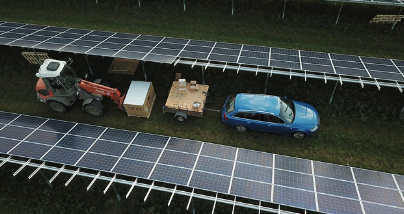
Beyond greenhouse applications, ground-mounted solar installations integrated with agricultural land enable simultaneous food and energy production through carefully designed agrivoltaic systems. Strategic panel elevation and spacing permits equipment passage while providing beneficial shading reducing water evaporation and heat stress in certain crops particularly valuable in arid climates. Shade-tolerant species including leafy greens, herbs, and certain root vegetables thrive under partial shading while solar arrays generate substantial electricity. This dual land use maximizes productivity per hectare addressing competing demands between energy infrastructure and agricultural production. Economic modeling demonstrates superior returns from combined operations compared to single-purpose land utilization whether exclusive agriculture or solar generation. Environmental benefits include reduced irrigation requirements, soil temperature moderation, and biodiversity enhancement through microclimate creation supporting wider ecological health beyond immediate production metrics.